來玩 Rust 的框架吧! - Rocket - Part III
我們今天要來做 Auth,一個基本的身分驗證功能,不想要讓任何人都可以隨便使用我們的 API。
安裝套件
因為我們驗證的處理會使用到 base64 編碼,所以首先我們先在 Cargo.toml 加入 base64 這個 crate。
[dependencies]
base64 = "0.13"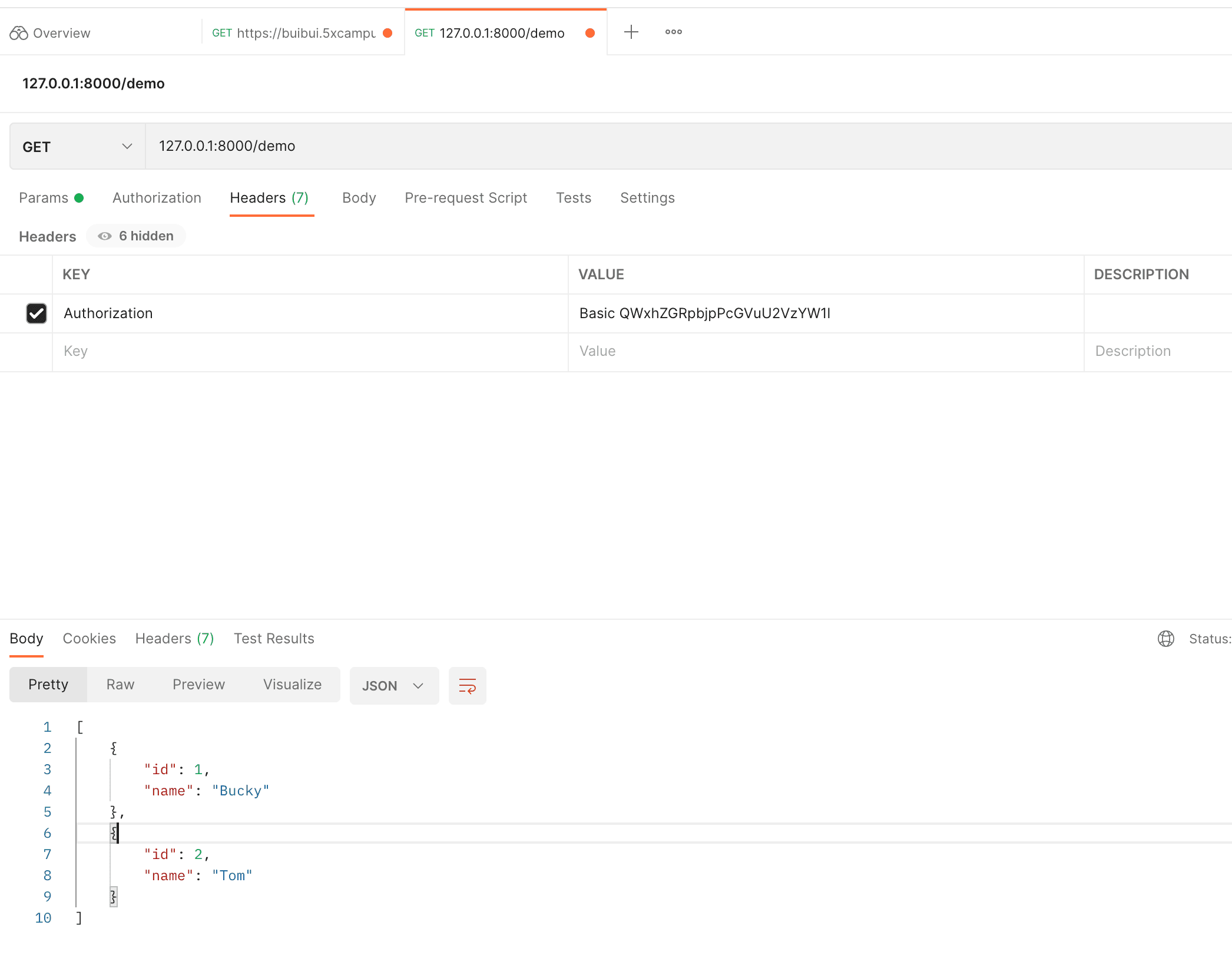 CleanShot 2022-10-09 at 23.01.51@2x
由於目前 main.rs 中的 code 有點多,所以我們另外開一個檔案來處理。 直接在 src 資料夾下新增一個 auth.rs 檔案,並且在 main.rs 中加入 ```rust mod auth;。
在 auth.rs 中我們先來定義一個 BasicAuth 的 struct,並且在裡面定義一個使用者名稱和密碼的欄位。
pub struct BasicAuth {
    username: String,
    password: String,
}
use rocket::http::Status; use rocket::request::{Request, FromRequest, Outcome};
pub struct BasicAuth {
pub username: String,
pub password: String,
}
impl BasicAuth {
fn from_authorization_header(header: &str) -> Option
    if split[0] != "Basic" {
        return None;
    }

    Self::from_base64_encoded(split[1])
}

fn from_base64_encoded(base64_string: &str) -> Option<BasicAuth> {
    let decoded = base64::decode(base64_string).ok()?;
    let decoded_str = String::from_utf8(decoded).ok()?;
    let split = decoded_str.split(":").collect::<Vec<_>>();

    // If exactly username & password pair are present
    if split.len() != 2 {
        return None;
    }

    let (username, password) = (split[0].to_string(), split[1].to_string());

    Some(BasicAuth {
        username,
        password
    })
}
}
#[rocket::async_trait] impl<'r> FromRequest<'r> for BasicAuth { type Error = ();
async fn from_request(request: &'r Request<'_>) -> Outcome<Self, Self::Error> {
    let auth_header = request.headers().get_one("Authorization");
    if let Some(auth_header) = auth_header {
        if let Some(auth) = Self::from_authorization_header(auth_header) {
            return Outcome::Success(auth)
        }
    }

    Outcome::Failure((Status::Unauthorized, ()))
}
}
接著我們定義了一個 from_authorization_header 的 function,這個 function 會接收一個 header 的參數,並且回傳一個 Option
主要是在處理 Authorization 的 header,如果 header 的長度不是 2,或是 header 的第一個值不是 Basic,就會回傳 None。
如果 header 的長度是 2,且第一個值是 Basic,就會呼叫 from_base64_encoded 這個 function,並且將 header 的第二個值傳入。
然後 from_base64_encoded 主要是將傳入的值進行 base64 解碼,並且轉成 String,接著再將這個 String 以 : 進行分割,並且將分割後的值傳入 BasicAuth 的 struct 中。
最後我們定義了一個 FromRequest 的 trait,這個 trait 會在我們的 API 被呼叫時,會先進行驗證,如果驗證成功,就會將驗證的結果傳入 API 中。
在 from_request 中,我們先取得 Authorization 的 header,如果有的話,就會呼叫 from_authorization_header 這個 function,並且將 header 傳入。
如果驗證成功,就會回傳 Outcome::Success(auth),如果驗證失敗,就會回傳 Outcome::Failure((Status::Unauthorized, ()))。
處理 API
接下來我們在 main.rs 中加入我們剛剛所定義的 BasicAuth。
mod auth;
use auth::BasicAuth;
然後先在 get_demo 這個 API 中加入 BasicAuth 的參數運作看看:

```rust
#[get("/demo")]
fn get_demo(_auth: BasicAuth) -> Value {
    json!([{ "id": 1, "name": "Bucky" }
```, { "id": 2, "name": "Tom" }])
}

執行完打開瀏覽器會發現頁面顯示 401 的錯誤,代表我們剛剛所做的驗證有開始運作,所以我們接著嘗試在 Postman 的 header 中加入 Authorization。

我們將 Authorization 的值改成 Basic YnVja3k6YnVja3k=,這個值是 bucky:bucky 這個字串進行 base64 編碼後的結果,我們把這個值當成 token 來驗證之後就可以成功取得資料了。

接著就可以在所有的 methods 都加上 BasicAuth,這樣我們所有的 methods 都會進行驗證了。

結論

目前我們已經知道怎麼做出一個簡單 CRUD 的 API,然後也知道怎麼做出一個簡單的驗證。而在剩下的參賽天數內,我們要來玩一下其他的部分,明天我們要來玩一下 Yew 這個 Rust 的前端框架。

而 Rocket 建立的 API 部分,我們會在之後的文章繼續完成,會做到跟資料庫的連線,還有部署的部分,所以如果有興趣的話,再請大家拭目以待。